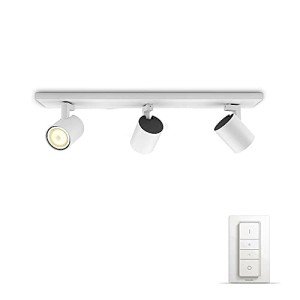
The Ultimate Guide to Buying LED Lights in the UK
Over the last few years, LED lights have actually risen in popularity due to their energy effectiveness, longevity, and adaptability. As the UK moves towards more sustainable energy practices, lots of property owners and companies are making the switch from traditional incandescent and fluorescent bulbs to LED lighting. This post intends to guide readers through the procedure of acquiring LED lights in the UK, highlighting key factors to consider, benefits, and regularly asked concerns.
Understanding LED Lighting
What are LED lights?LED represent Light Emitting Diode. Unlike traditional bulbs, LED lights produce light through a semiconductor. This technology is not just more energy-efficient however likewise produces less heat, minimizing electricity costs in the long run.
Benefits of LED Lights
Energy Efficiency
- LED lights consume to 80% less electricity than traditional incandescent bulbs.
- They transform nearly all the energy they consume into light rather than heat.
Durability
- Average life expectancy of LED lights is around 15,000 to 50,000 hours, considerably outliving traditional bulbs.
Environmental Impact
- Minimized energy consumption decreases carbon footprints.
- LEDs contain no hazardous materials like mercury, making them environmentally friendly.
Range and Versatility
- Available in various shapes, colors, and brightness levels ideal for various applications.
Instant Lighting and Dimming Capabilities
- LEDs light up immediately and can be dimmed for specific lighting requirements without flickering.
Secret Factors to Consider When Buying LED Lights
When shopping for LED lights in the UK, it's vital to think about different elements to ensure you buy the best product for your requirements.
1. Brightness Level
Brightness in LED lights is determined in lumens. Greater lumens show brighter lighting. Here's a quick recommendation:
| Wattage (Traditional Bulb) | Lumens (LED Equivalent) |
|---|---|
| 40W | 450 |
| 60W | 800 |
| 100W | 1600 |
2. Color Temperature
LEDs can be found in various color temperature levels, determined in Kelvin (K). Here's a breakdown of color temperatures:
- Warm White (2700K - 3000K): Ideal for homes, creates a cozy atmosphere.
- Cool White (4000K - 4500K): Suitable for workspaces, offering a clean, brilliant light.
- Daytime (5000K - 6500K): Mimics natural daylight, perfect for outdoor usage or specific job lighting.
3. Dimmability
Not all LED lights are dimmable. If you want the versatility to change brightness levels, make sure that the LEDs you pick work with dimmer switches.
4. Component Compatibility
Consider the kind of fixtures in which you'll be positioning the LEDs. Typical fitting types in the UK consist of:
- BAYONET (B22): Commonly utilized in households.
- Edison Screw (E27, E14): Popular for both decorative and basic lighting.
- GU10: Often used for spotlights and recessed lighting.
5. Energy Rating
Inspect the energy score of the LED light. A lot of LED bulbs will be appreciated (A+ or greater) for energy performance.
6. Life expectancy & & Warranty Investing in quality LED lights typically features guarantees varying from 1 to 5 years. A longer warranty may suggest a more long lasting item.
Where to Buy LED Lights in the UK
LED lights are widely offered across different platforms, consisting of:
Physical Stores:
- DIY and home improvement stores like B&Q, Homebase, and Wickes.
- Supermarkets such as Tesco and Sainsbury's.
Online Retailers:
- E-commerce giants like Amazon and eBay.
- Specialized lighting websites like LED Hut or Lights4Fun.
Local Electrical Suppliers:
- Independent electric supply stores typically supply expert assistance.
Recommended Brands
When acquiring LED lights, think about trusted brands understood for their quality and innovation, such as:
- Philips
- Osram
- Sylvania
- GE Lighting
- IKEA
Regularly Asked Questions (FAQs)
1. Are LED lights actually worth the investment?Definitely. While LED lights might have a higher upfront cost compared to traditional bulbs, their energy effectiveness and long life-span indicate they will conserve you cash on energy costs over time.
2. Can I use LED lights in my existing fixtures?Yes, as long as you choose bulbs compatible with your fixtures (BAYONET, Edison Screw, GU10, etc), you can easily replace traditional bulbs with LEDs.
3. Why are some LED bulbs more pricey than others?Cost distinctions can be credited to brand name reputation, innovation (such as smart functions), energy effectiveness scores, and service warranty periods.
4. Do LED lights give off damaging radiation?No, LED lights do not release ultraviolet or infrared radiation and are considered safe for home usage.
5. Can I recycle LED bulbs?Yes, numerous local councils have recycling programs for LED bulbs. Examine regional standards for disposal directions.
Buying LED lights in the UK is a smart option for those looking to save energy, lower costs, and improve their lighting services. By thinking about elements such as brightness, color temperature, fixture compatibility, and credible brand names, buyers can with confidence make notified choices. Embracing LED innovation is not just helpful for private households and companies, but it likewise contributes to a more sustainable future for the environment. Whether Buy Spotlights UK head to a regional store or browse online, the shift to LED lighting is a step towards a brighter, cleaner world.